

Resource library

Evaluating Coding Agent Capabilities with Terminal-Bench: Snorkel’s Role in Building the Next Generation Benchmark

Closing the Evaluation Gap in Agentic AI
Announcing a $3M commitment to launch Open Benchmarks Grants

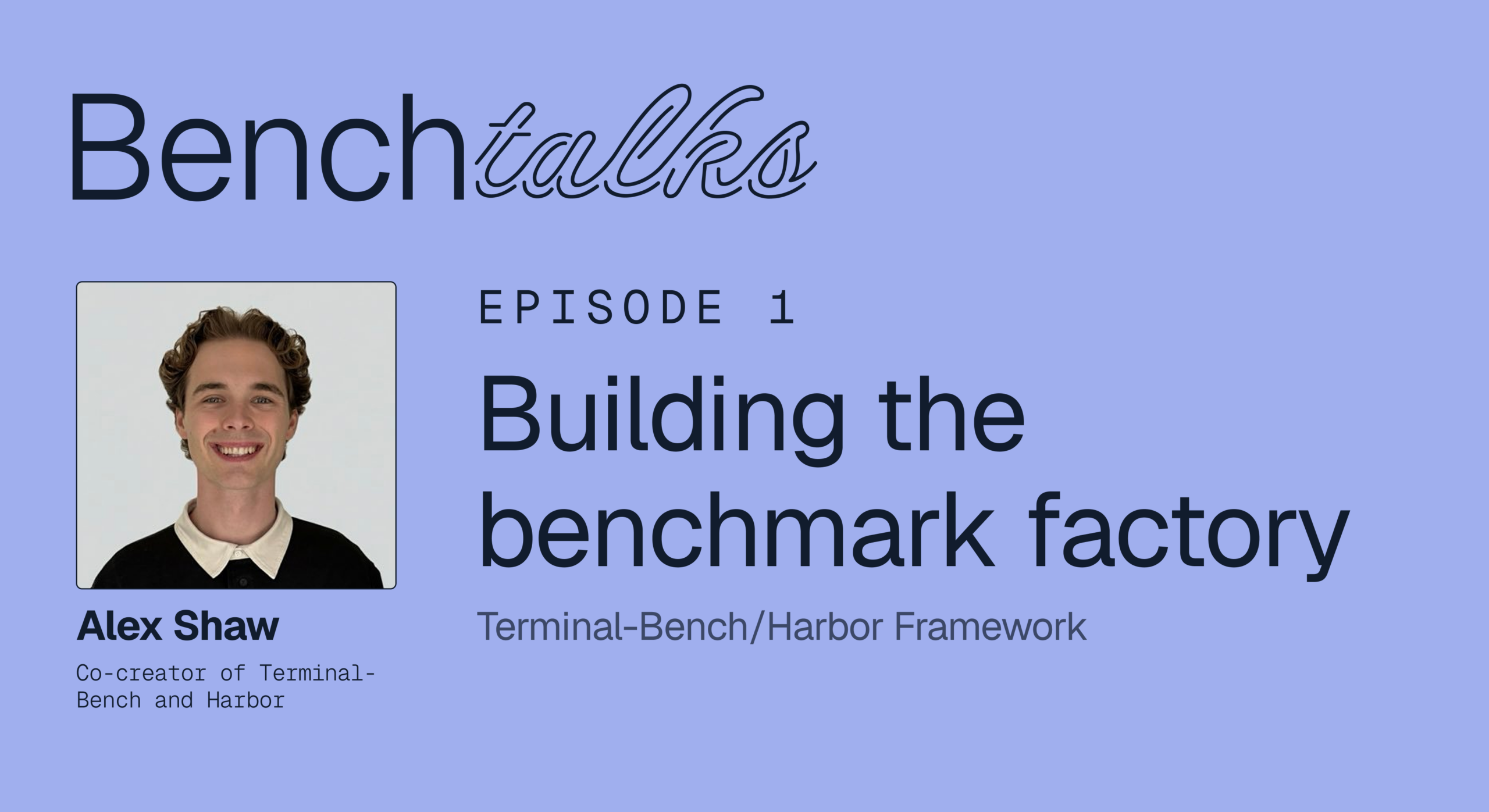
Benchtalks #1: Alex Shaw (Terminal-Bench, Harbor) – Building the Benchmark Factory
Building FinQA: An Open RL Environment for Financial Reasoning Agents


AI agents may soon become capable of autonomously completing valuable, longhorizon tasks in diverse domains. Current benchmarks either do not measure real-world tasks, or are not sufficiently difficult to meaningfully measure frontier models. To this end, we present Terminal-Bench 2.0: a carefully curated hard benchmark composed of 89 tasks in computer terminal environments inspired by problems from real workflows. Each…
A leading global firm transforming insurance subrogation operations with AI found that manual review processes capped their throughput to ~30% of available claims.
Strategic dominance in the Indo-Pacific relies on the ability to track and coordinate friendly forces — “blue objects” — with absolute precision. To maintain operational awareness in dynamic and contested environments, the Department of War identified a requirement for adaptable, dual-use technologies that enhance logistics and decision-making resilience.
SlopCodeBench reveals how AI coding agents degrade code quality over time—measuring “slop,” technical debt, and architectural erosion across iterations.

Today, we’re sharing details about the Snorkel Agentic Coding benchmark—a comprehensive evaluation suite designed to test whether agents can handle the full complexity of software engineering work.
This Top 5 Global Telco aimed to evolve its internal billing co-pilot into a customer-facing chatbot capable of serving its global customer base. However, the project stalled at 54% accuracy due to data blind spots and reasoning errors that frustrated efforts to launch.
Our NeurIPS 2025 retrospective The Snorkel AI team We just returned from NeurIPS 2025, and we’re still processing everything we saw. The energy around data-centric AI has never been stronger—and we couldn’t be more grateful to the research community for pushing these ideas forward. The evolution we’ve witnessed When we first brought Snorkel AI research to NeurIPS back in 2019,…
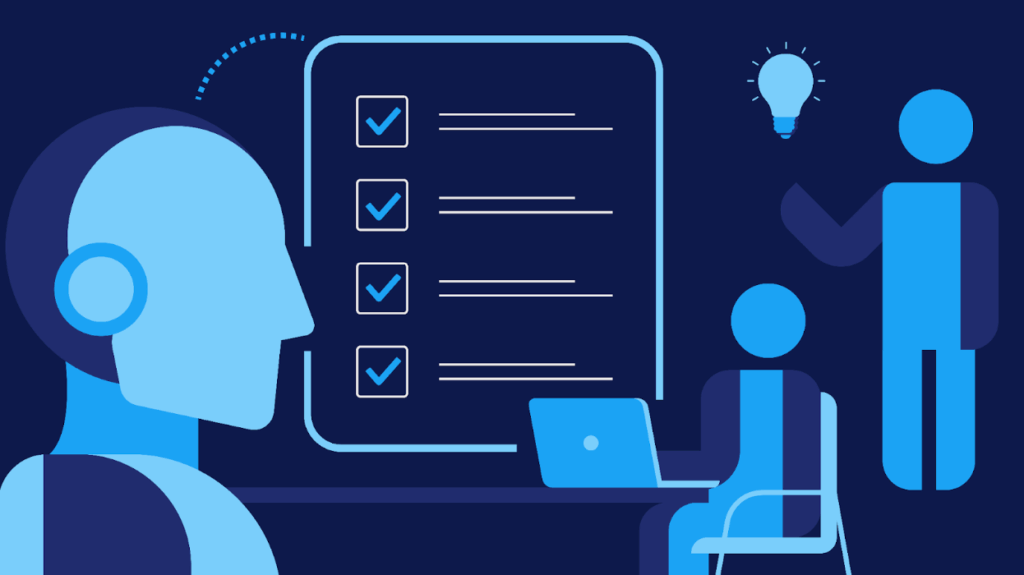
Explores how rubrics support agentic, multi-turn, tool-using, multimodal, and code-generating AI systems, and how they evolve with AI feedback and ensemble evaluation.
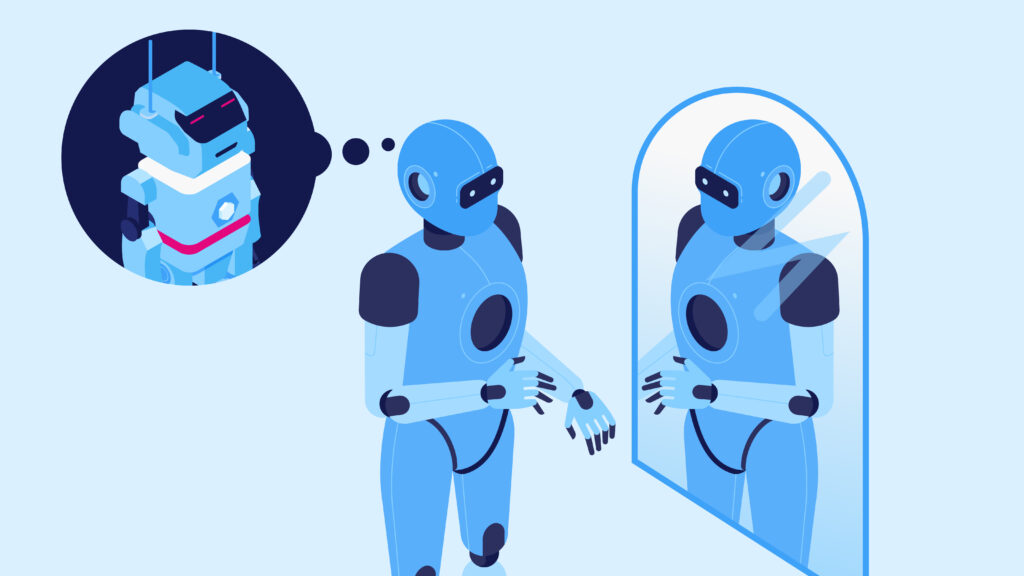
TL;DR: We stress-tested the “generate → criticize → improve” loop on 50 visual reasoning tasks. The results were counterintuitive: self-critique acts as a corrosive agent on high-performance tasks, turning 98% accuracy into 57%. Yet, for tasks where models fail completely, it works like magic. This difficulty-dependent behavior poses a critical, hidden risk for RLFT pipelines. The Promise vs. The Reality…