

Resource library

Evaluating Coding Agent Capabilities with Terminal-Bench: Snorkel’s Role in Building the Next Generation Benchmark

Closing the Evaluation Gap in Agentic AI
Announcing a $3M commitment to launch Open Benchmarks Grants

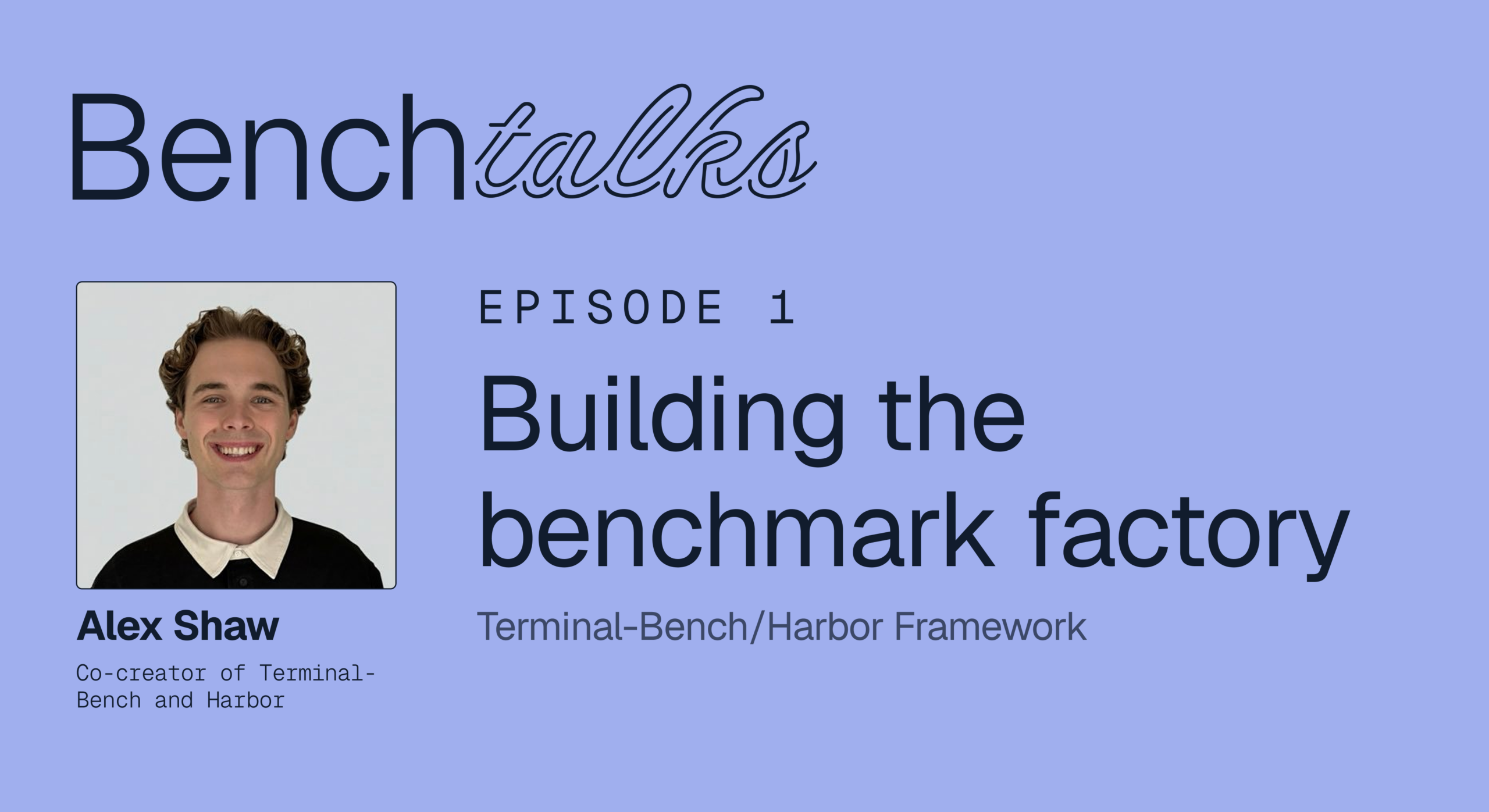
Benchtalks #1: Alex Shaw (Terminal-Bench, Harbor) – Building the Benchmark Factory
Building FinQA: An Open RL Environment for Financial Reasoning Agents


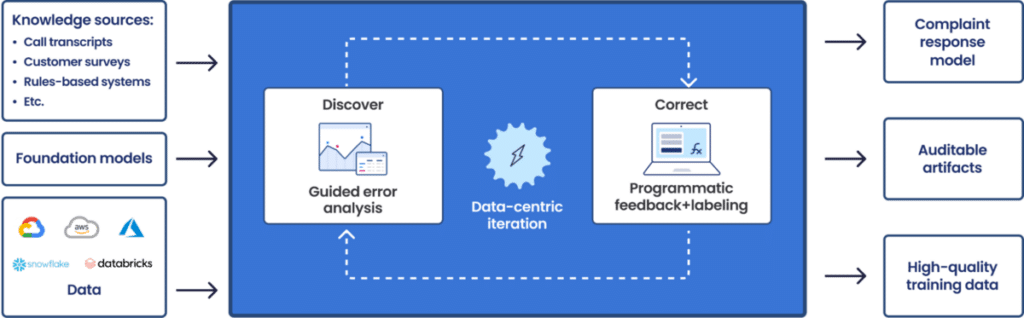
Handling complaints effectively and efficiently with AI is essential to maintain customer satisfaction and protect the bank’s reputation.

The following was originally published on Wayfair’s tech blog. We have cross-posted it here, edited only to fit Snorkel’s formatting guidelines. — One of our missions at Wayfair is to help our 22 million customers find the products they are looking for. For example, when a customer searches for a “modern yellow sofa” on Wayfair, we want to show the most…

Generative AI can write poems, recite common knowledge, and extract information. GenAI can also help quickly build predictive pipelines.
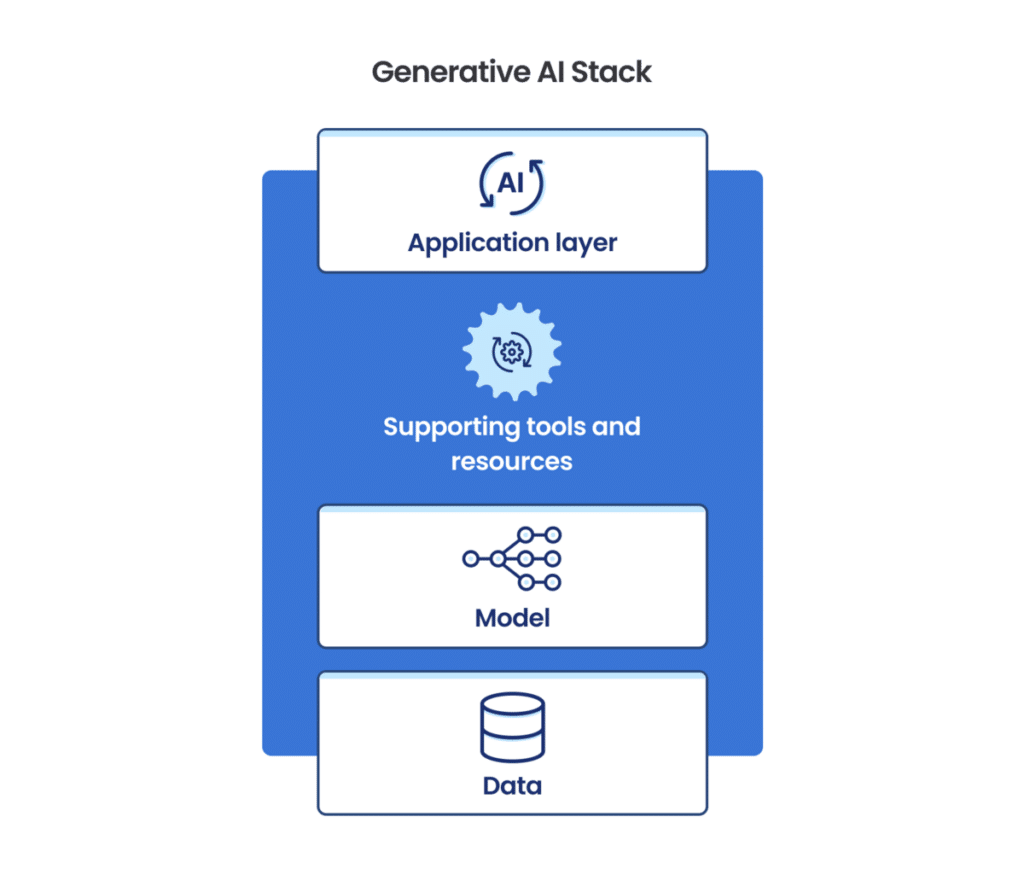
Experts named generative AI as the most transformative technology of the decade. What is genAI, how does it work and why does it matter?

As enterprises look toward deploying LLM-powered, business-critical applications, they’re learning to use strategies beyond prompting.
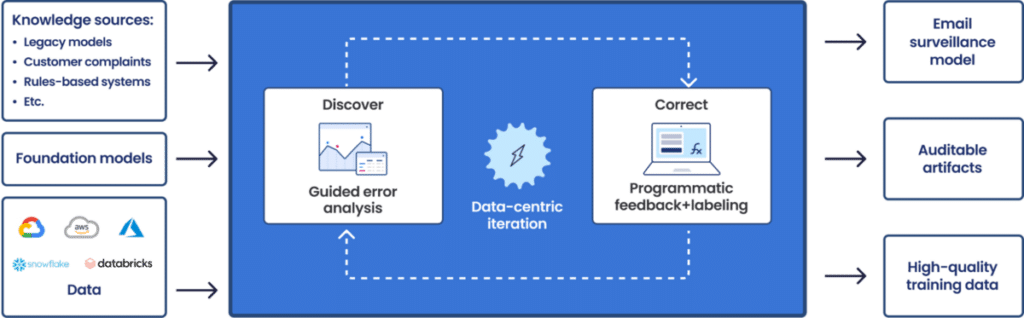
Recent developments in AI tools have made email surveillance for banks better than ever. See how foundation models and Snorkel Flow can help.
In this webinar, Snorkel AI CEO and co-founder Alex Ratner will take live audience questions and provide an overview of how solving the “last mile” problem is increasingly all about the data.

Users and organizations are generating ever-increasing amounts of private data from a wide range of sources. Incorporating private context is important to personalize open-domain tasks such as question-answering, fact-checking, and personal assistants. State-of-the-art systems for these tasks explicitly retrieve information that is relevant to an input question from a background corpus before producing an answer. While today’s retrieval systems assume…
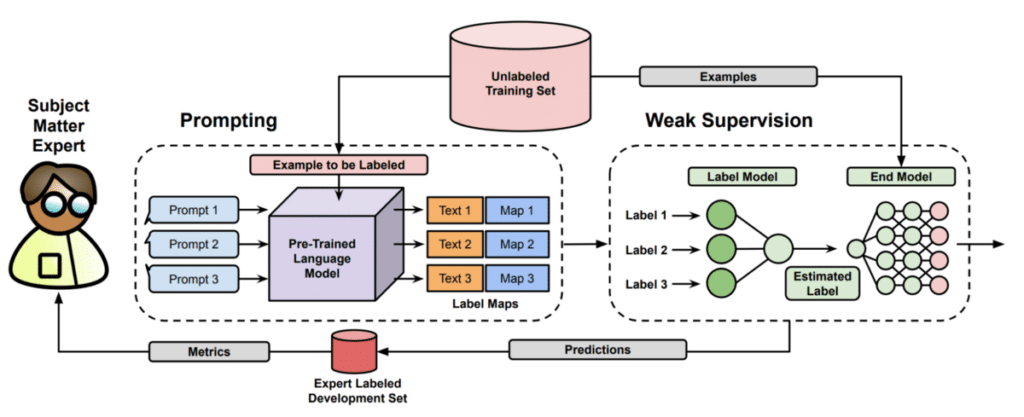
Getting better performance from foundation models (with less data)