

We define and advance data and environments to push the AI frontier
building benchmarks and collaborating with



Featured research
Vision and impact
We help labs advance frontier models by working with domain experts to design and build complex, realistic datasets that drive model performance.

Benchmarking &
Evaluation
Build benchmarks that define and advance the AI frontier

Scaling Subject Matter Expertise
Define how subject matter experts encode their knowledge into data

RL, Training, & Data Valuation
Drive dataset development based on feedback from RL and model training
Community and open science
Open benchmarks, conversations, and research for real-world AI performance.
Open Benchmarks Grants
Backed by a $3M commitment, the program funds open-source datasets, benchmarks, and evaluation artifacts that shape how frontier AI systems are built and evaluated.
Bench Talks

Reading Group
DEEP RESEARCH Expertise
Technical advisors and distinguished affiliates









Browse research blogs and academic papers
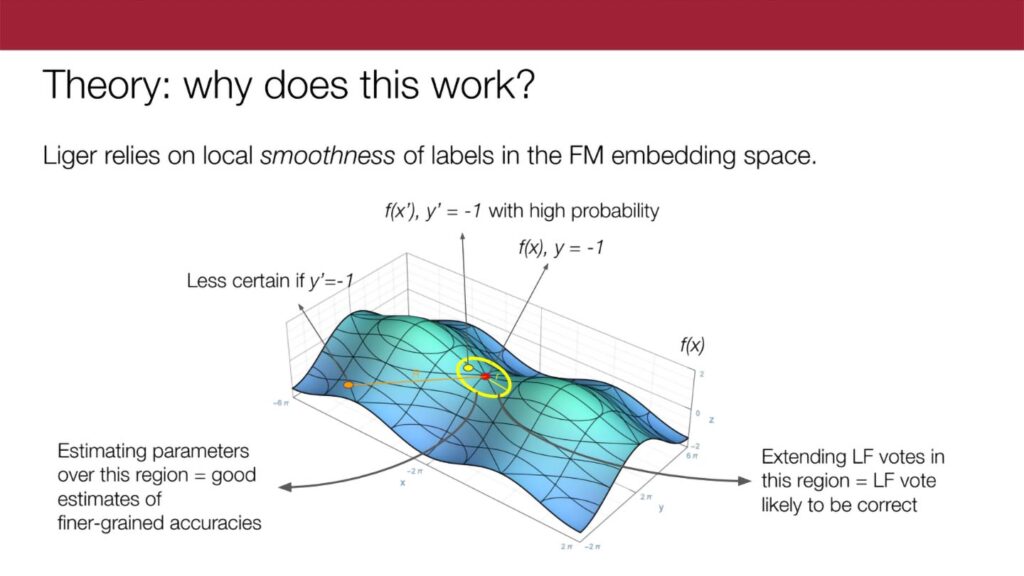
Snorkel CEO Alex Ratner interviews Mayee Chen about how Liger improves the effectiveness of programmatic labeling through foundation model embeddings.
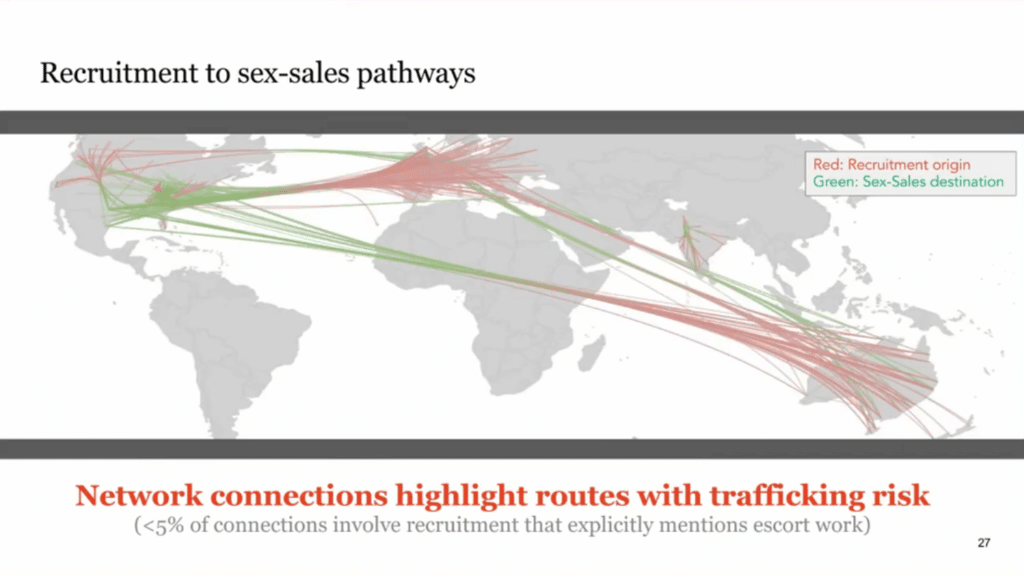
Hamsa Bastani presented a summary of her and her co-authors’ ongoing work using machine learning and Snorkel AI’s tools to detect and track activities that are associated with a high risk for global sex trafficking.

Snorkel AI co-founder and CEO Alex Ratner recently interviewed several Snorkel researchers about their published academic papers. In this video, Alex talks with Ryan Smith, Senior Applied Scientist at Snorkel, about the work he did on using foundation models to build compact, deployable, and effective models.
Snorkel AI held its Foundation Model Summit Jan 17, bringing together 12 presenters and over 600 attendees at 10 virtual sessions. The event drew registrants from across many sectors, including the tech industry, healthcare, and financial services.

Snorkel AI co-founder and CEO Alex Ratner talks with Ananya Kumar about the work he did on improving the effectiveness of foundation models by using contrastive learning, image augmentations, and labeled subsamples.

Researcher Simran Arora tells Snorkel CEO Alex Ratner how she improved foundation model effectiveness by using “Ask Me Anything”-style questions.


More components in an ML lifecycle are designed to run on autopilot, but some tasks require human-in-the-loop ML, an active research topic that has seen an increasing number of publications in the last 10 years.

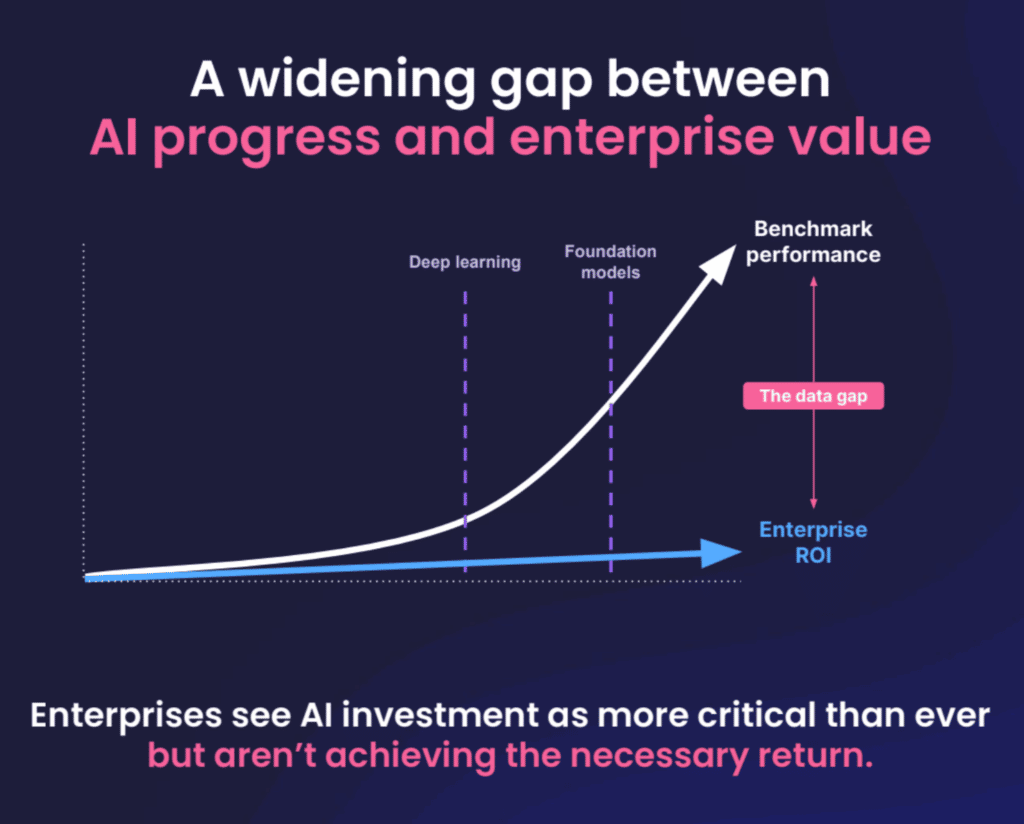
The recent debut of ChatGPT astounded the public with the power and speed of foundation models, but their enterprise use remains hampered by adaptation and deployment challenges. In the past year, Snorkel AI has researched several ways to overcome those challenges.