

We define and advance data and environments to push the AI frontier
building benchmarks and collaborating with



Featured research
Vision and impact
We help labs advance frontier models by working with domain experts to design and build complex, realistic datasets that drive model performance.

Benchmarking &
Evaluation
Build benchmarks that define and advance the AI frontier

Scaling Subject Matter Expertise
Define how subject matter experts encode their knowledge into data

RL, Training, & Data Valuation
Drive dataset development based on feedback from RL and model training
Community and open science
Open benchmarks, conversations, and research for real-world AI performance.
Open Benchmarks Grants
Backed by a $3M commitment, the program funds open-source datasets, benchmarks, and evaluation artifacts that shape how frontier AI systems are built and evaluated.
Bench Talks
Reading Group
DEEP RESEARCH Expertise
Technical advisors and distinguished affiliates






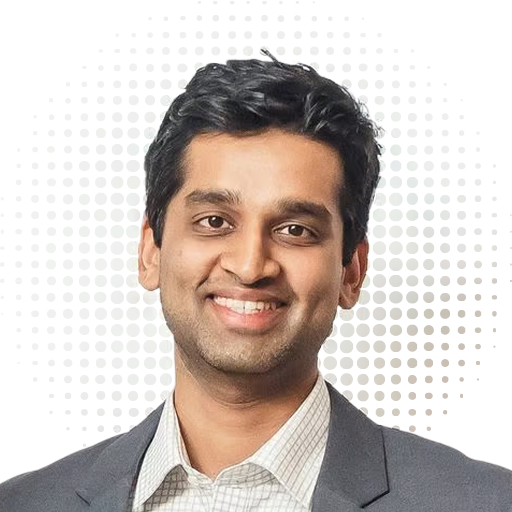

Browse research blogs and academic papers
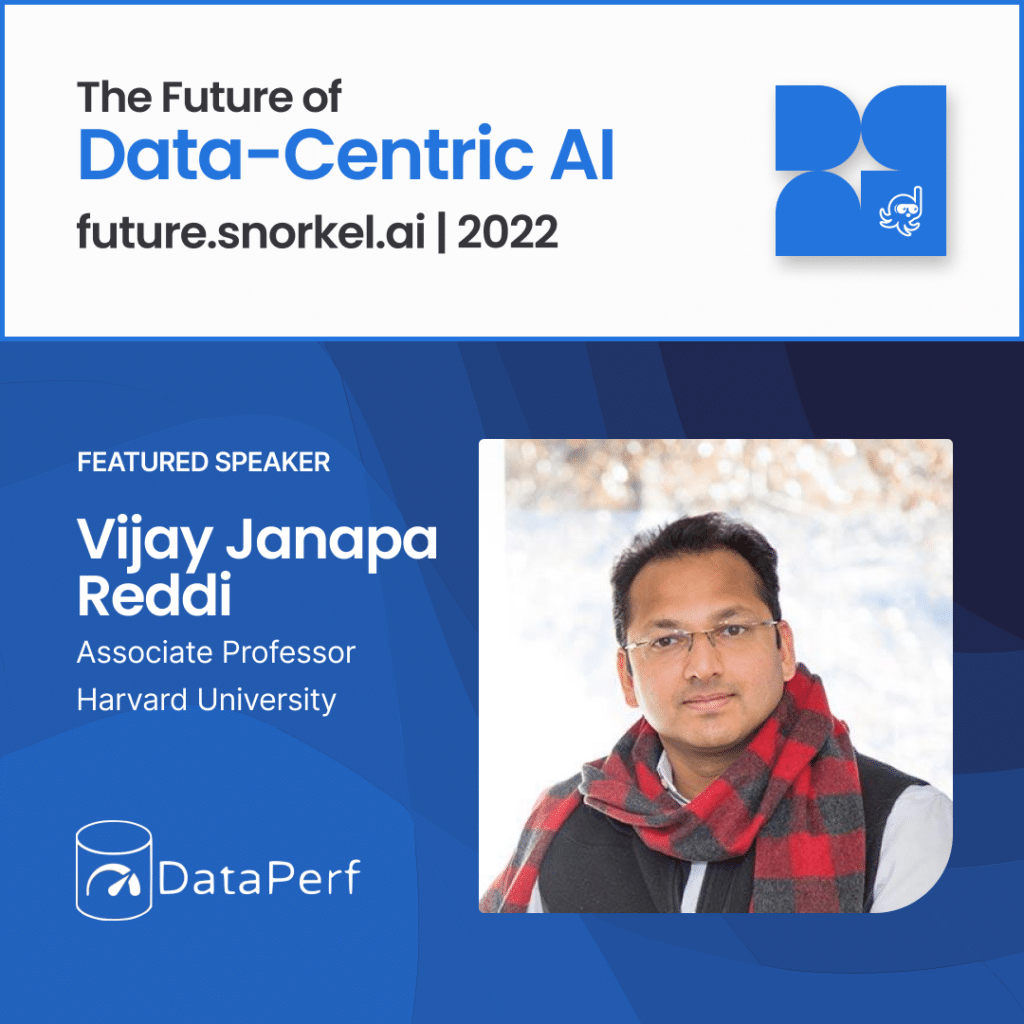
Harvard Professor Vijay Janapa Reddi’s presentation: “DataPerf: Benchmarks for data” from Snorkel AI’s 2022 Future of Data-Centric AI event.

We introduce compositional soft prompting (CSP), a parameter-efficient learning technique to improve the zero-shot compositionality of large-scale pretrained vision-language models (VLMs) like CLIP. We develop CSP for compositional zero-shot learning, the task of predicting unseen attribute-object compositions (e.g., old cat and young tiger). VLMs have a flexible text encoder that can represent arbitrary classes as natural language prompts but they…

A long standing goal of the data management community is to develop general, automated systems that ingest semi-structured documents and output queryable tables without human effort or domain specific customization. Given the sheer variety of potential documents, state-of-the art systems make simplifying assumptions and use domain specific training. In this work, we ask whether we can maintain generality by using…
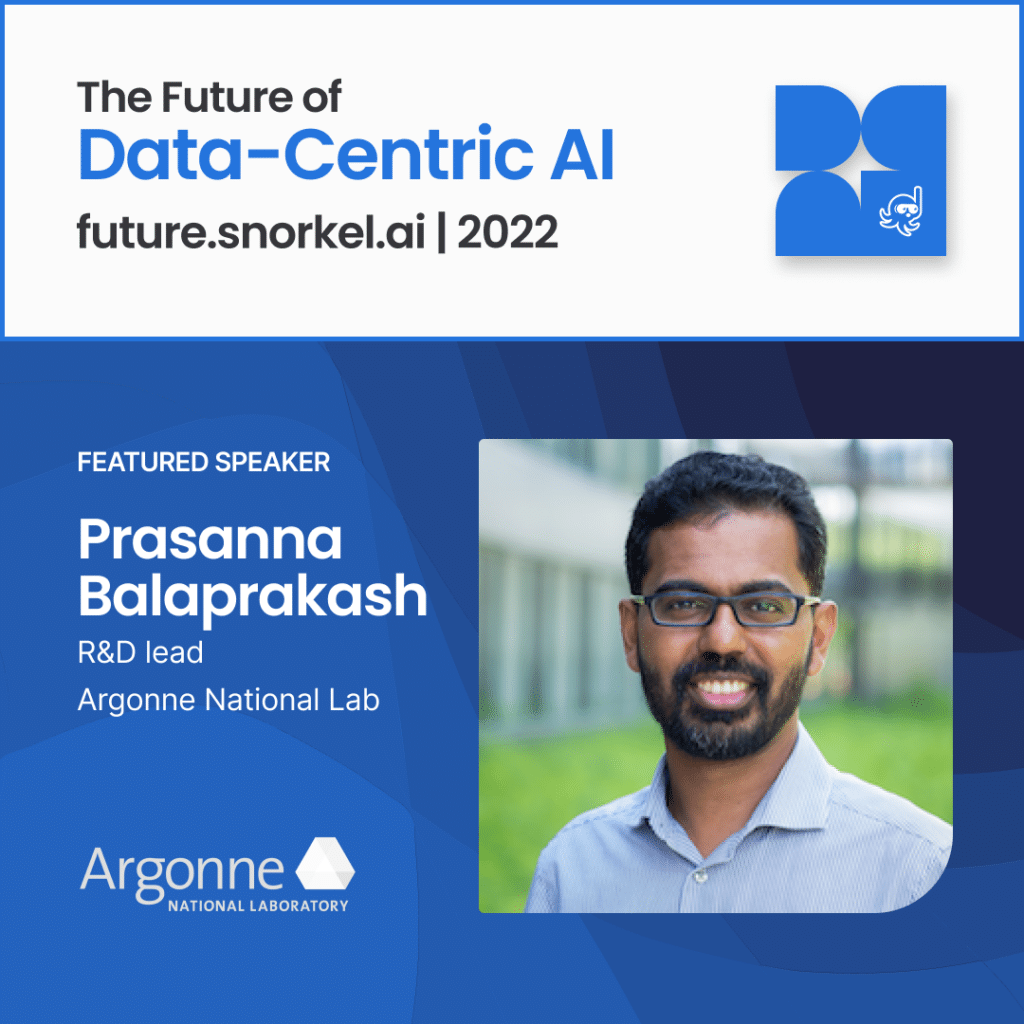
Prasanna Balaprakash, research and development lead from Argonne National Laboratory gave a presentation entitled “Extracting the Impact of Climate Change from Scientific Literature using Snorkel-Enabled NLP” at Snorkel AI’s Future of Data-Centric AI Workshop in August, 2022.
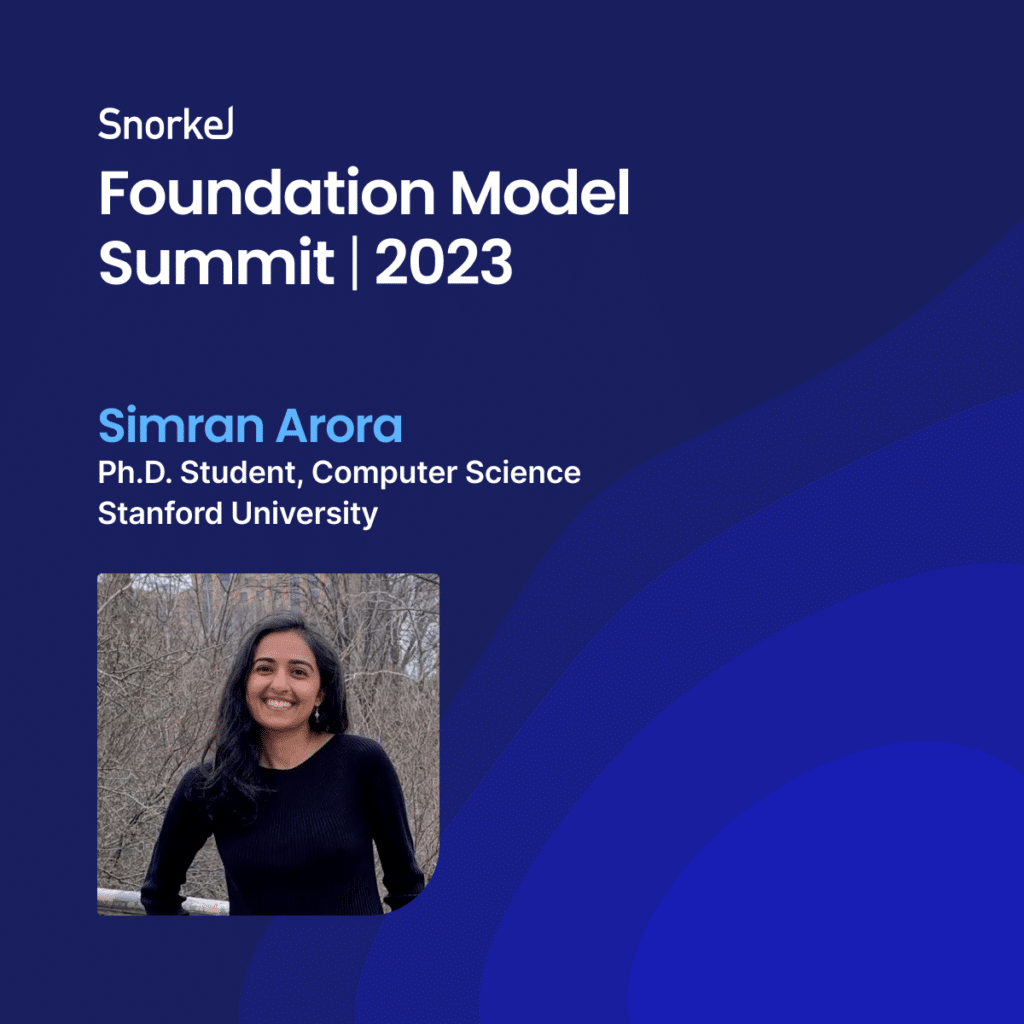
Simran Arora is a machine learning researcher at Stanford University. She presented “Ask Me Anything: How are Foundation Models Changing the Way We Build Software” at Snorkel AI’s Foundation Model Virtual Summit 2023.
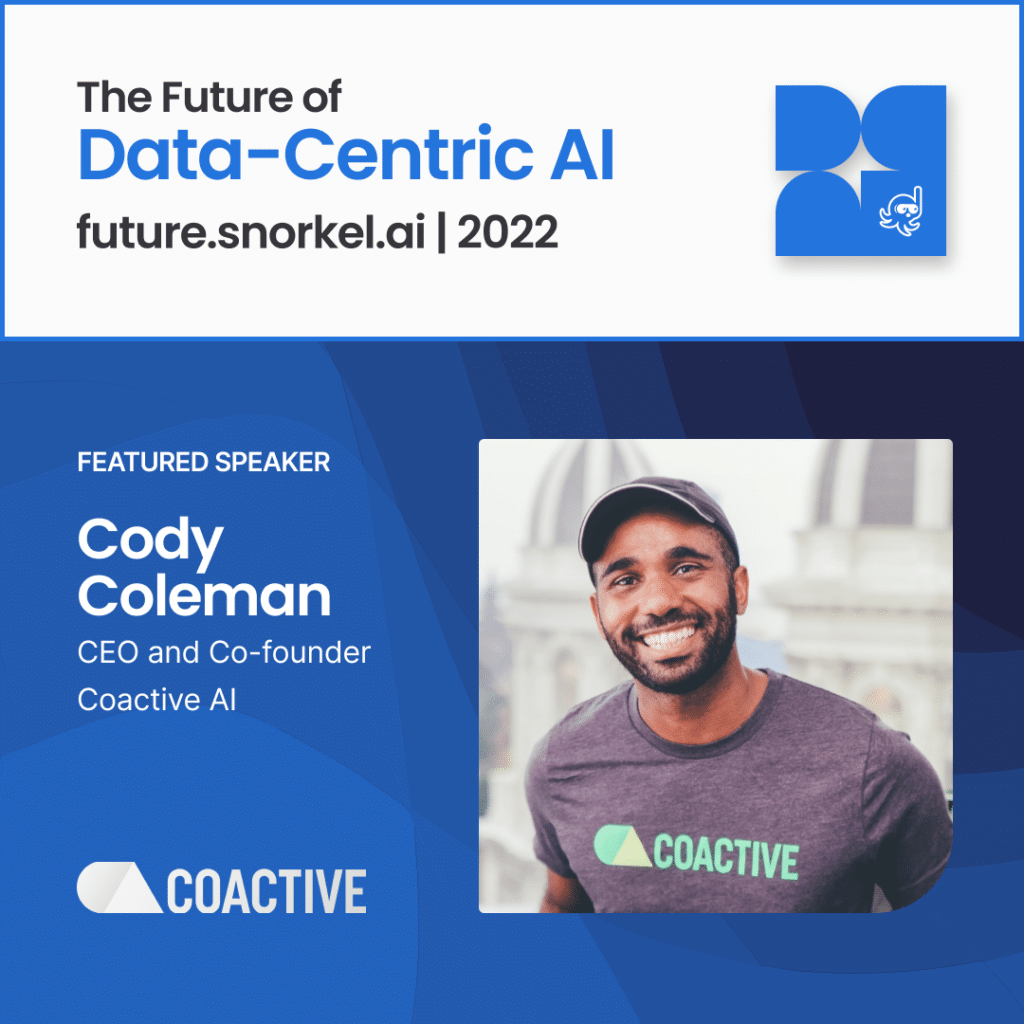
Cody Coleman, CEO and Co-Founder of Coactive AI gave a presentation entitled “Data Selection for Data-Centric AI: Quality over Quantity” at Snorkel AI’s Future of Data-Centric AI Event in August 2022.
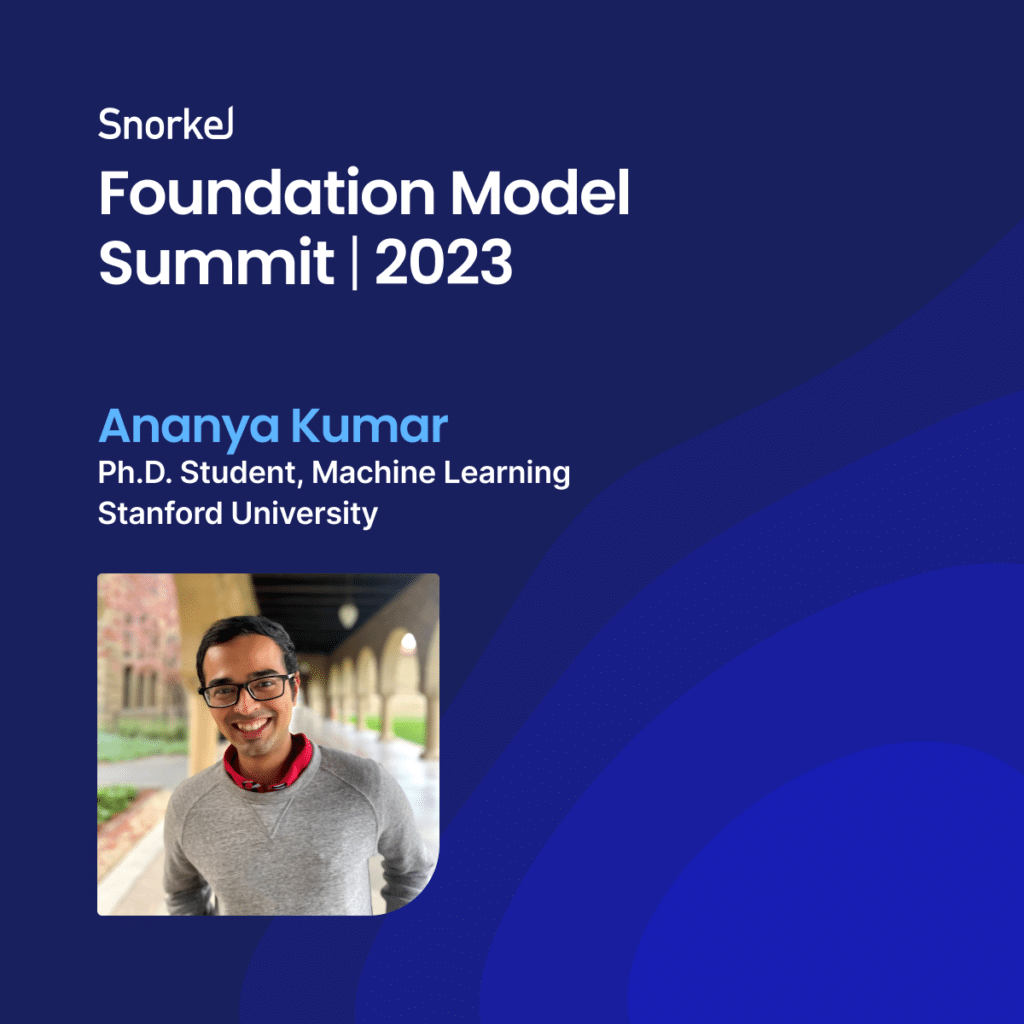
Ananya Kumar, Stanford Ph.D. student, explains methods to improve foundation model performance, including linear probing and fine-tuning.

Snorkel AI researchers continue to push the frontier of machine learning, as demonstrated by the 18 research papers recently added to our website.