

We define and advance data and environments to push the AI frontier
building benchmarks and collaborating with



Featured research
Vision and impact
We help labs advance frontier models by working with domain experts to design and build complex, realistic datasets that drive model performance.

Benchmarking &
Evaluation
Build benchmarks that define and advance the AI frontier

Scaling Subject Matter Expertise
Define how subject matter experts encode their knowledge into data

RL, Training, & Data Valuation
Drive dataset development based on feedback from RL and model training
Community and open science
Open benchmarks, conversations, and research for real-world AI performance.
Open Benchmarks Grants
Backed by a $3M commitment, the program funds open-source datasets, benchmarks, and evaluation artifacts that shape how frontier AI systems are built and evaluated.
Bench Talks
Reading Group
DEEP RESEARCH Expertise
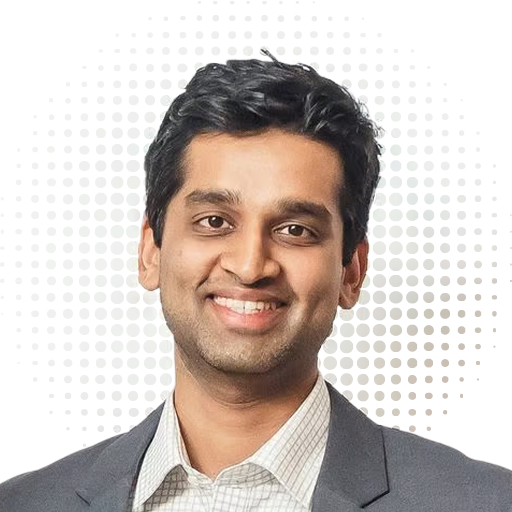
Technical advisors and distinguished affiliates








Browse research blogs and academic papers

The DEEM’22 workshop (Data Management for End-to-End Machine Learning) is held on Sunday June 12th, in conjunction with SIGMOD/PODS 2022. DEEM brings together researchers and practitioners at the intersection of applied machine learning, data management and systems research, with the goal to discuss the arisingdata management issues in ML application scenarios. The workshop solicits regular research papers (10 pages) describing…

We present a self-supervised, time-to-event (TTE) foundation model called MOTOR (Many Outcome Time Oriented Representations) which is pretrained on timestamped sequences of events in electronic health records (EHR) and health insurance claims. TTE models are used for estimating the probability distribution of the time until a specific event occurs, which is an important task in medical settings. TTE models provide…
AI safety training and red-teaming of large language models (LLMs) are measures to mitigate the generation of unsafe content. Our work exposes the inherent cross-lingual vulnerability of these safety mechanisms, resulting from the linguistic inequality of safety training data, by successfully circumventing GPT-4’s safeguard through translating unsafe English inputs into low-resource languages. On the AdvBenchmark, GPT-4 engages with the unsafe…
Large-scale neural network models combining text and images have made incredible progress in recent years. However, it remains an open question to what extent such models encode compositional representations of the concepts over which they operate, such as correctly identifying red cube by reasoning over the constituents red and cube. In this work, we focus on the ability of a…
While current vision algorithms excel at many challenging tasks, it is unclear how well they understand the physical dynamics of real-world environments. Here we introduce Physion, a dataset and benchmark for rigorously evaluating the ability to predict how physical scenarios will evolve over time. Our dataset features realistic simulations of a wide range of physical phenomena, including rigid and soft-body…
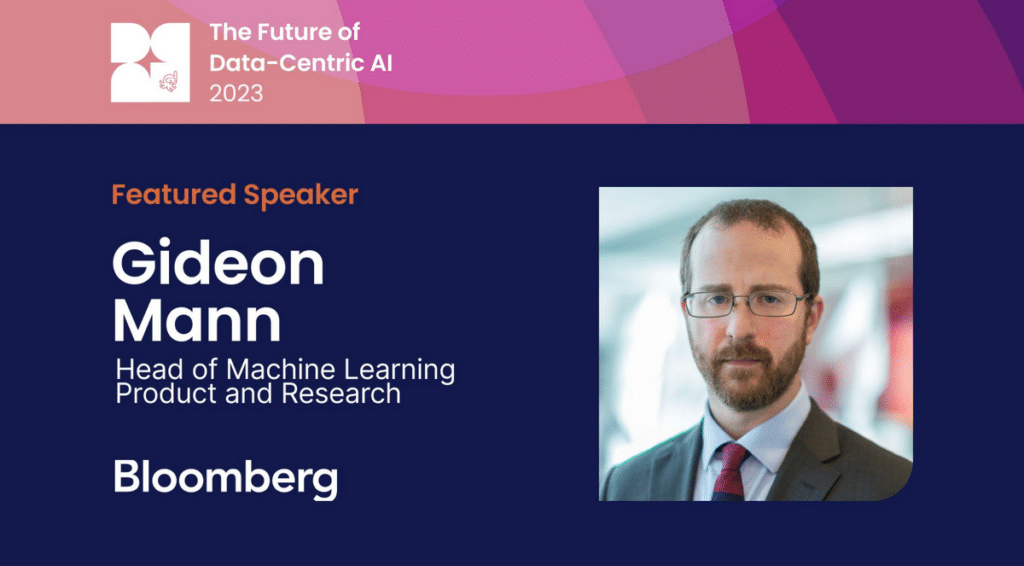
Gideon Mann, head of ML Product and Research at Bloomberg LP, chatted with Snorkel CEO Alex Ratner about building BloombergGPT.
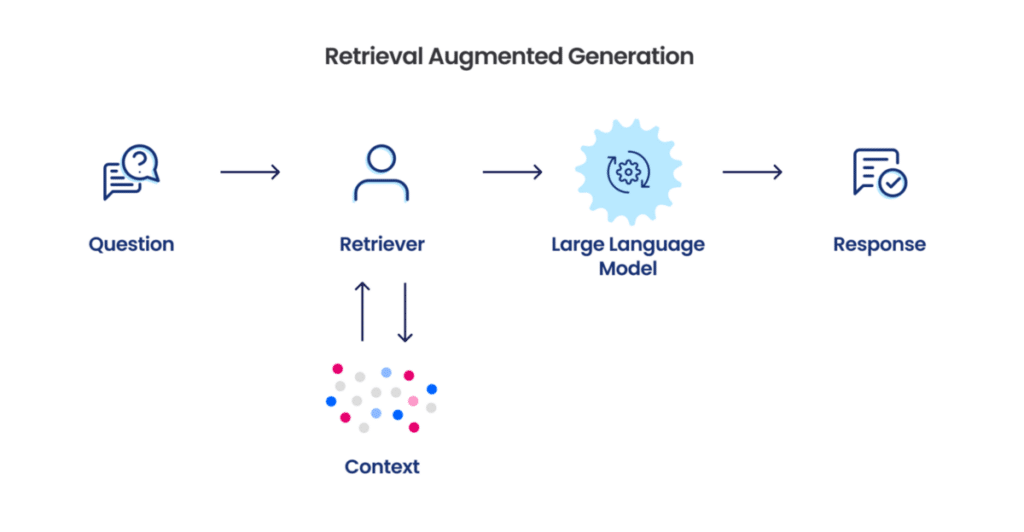
Professionals in the data science space often debate whether RAG or fine-tuning yields the better result. The answer is “both.”
We conducted research to reduce the amount of labeled data required to train machine learning systems. The pinnacle of this effort is the development of TAGLETS, a machine learning system that seamlessly integrates widely known collections of labeled data with a diverse array of machine learning algorithms, known as weak labelers. The system’s evolution has been significantly influenced by comprehensive…
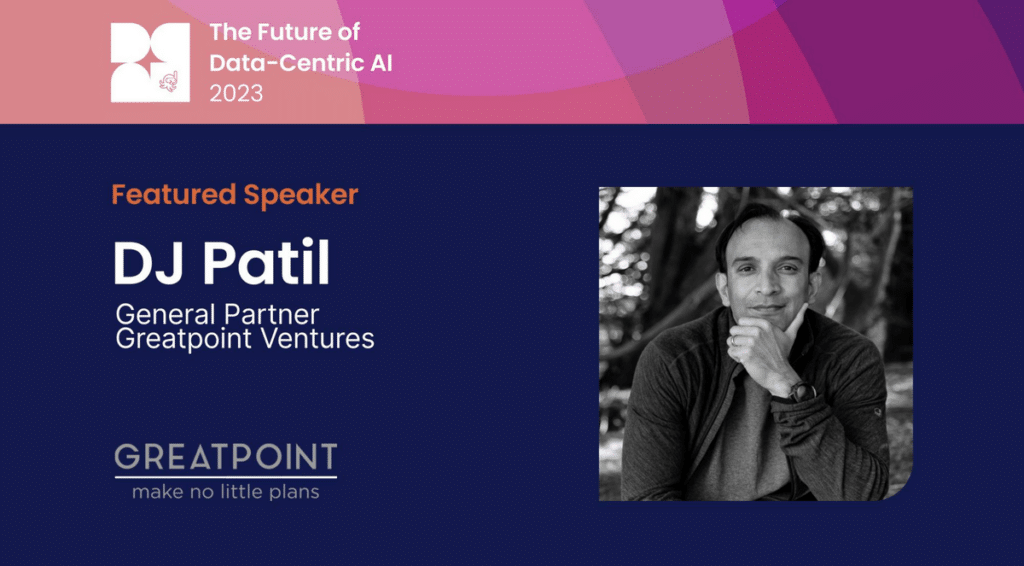
Past U.S. Chief Data Scientist DJ Patil talked with Snorkel AI CEO Alex Ratner on topics including the origin of the title “data scientist.”