

Snorkel AI is teaming up with Google Cloud to help organizations and AI innovators solve their most difficult problems by transforming raw, unstructured data into actionable AI-powered models.
We’re excited to build on years of academic partnership and collaboration with Google to jointly deliver real, significant value for our customers. We started by ensuring that Snorkel Flow easily deploys on Google Cloud infrastructure, ingests data from Google Cloud data sources, and integrates with Google AI and Data Cloud services.
Snorkel AI and Google Cloud are now partnering to build out-of-the-box integrations that further streamline MLOps workflows—for example, Snorkel Flow’s new native integration with Google BigQuery. With a few clicks, data scientists can immediately pull relevant data from Google Cloud directly into Snorkel Flow and then label data programmatically to quickly generate training sets over complex, highly variable data.

Google Cloud Partner Engineering Dr. Ali Arsanjani Director (who spoke at Snorkel’s Foundation Model Virtual Summit) and Snorkel AI VP of Marketing Devang Sachdev discuss our partnership and the new BigQuery integration in this post, Accelerate data-centric AI development with Google Cloud and Snorkel AI.
To learn more about Snorkel AI and our long-standing relationship with Google, we highly recommend this presentation Snorkel AI co-founder Henry Ehernberg delivered at a recent Google Cloud BigQuery Innovation event, Accelerate AI development by eliminating the pain of manual labeling.
Learn More
Follow Snorkel AI on LinkedIn, Twitter, and YouTube to be the first to see new posts and videos!

Friea Berg
Head of Strategic Alliances
As Head of Partnerships for Snorkel, Friea Berg leverages over a decade of channel experience to help the world’s most innovative enterprises realize the promise of AI using proprietary data. Friea joined Snorkel to build the startup’s channel strategy from the ground up. Under her leadership, Snorkel has built successful partnerships with Google, Microsoft, AWS, Databricks, Snowflake, and Hugging Face plus unlocked new routes-to-market via Marketplace and global resellers. Partners are now integral to every team at Snorkel, one of CRN’s 10 Hottest Data Science/ML Startups in 2022 and one of Forbes’s 50 most promising AI startups in the world in 2023.
Prior to diving into startups, Friea held leadership, alliance, and business development positions at Splunk, NetApp, and other technology leaders. At Splunk she built and scaled global strategic partnerships with Google, Cisco, and Palo Alto Networks. She also led a team that incubated first-of-a-kind ‘market maker’ partnerships with Deloitte, SAP, Cerner, Salesforce, and others.
Recommended articles
View all articles
Terminal-Bench 4.1 hardens the verifiers behind the scores
Terminal-Bench 4.1 is now available. Snorkel AI contributes to Terminal-Bench as a task author, a data partner, and a supporter through the Open Benchmarks Grants program. The release keeps the same 66 tasks, with verifier fixes, reproducibility improvements, hardening against reward hacking, and a new 63-task CPU-only dataset. Terminal-Bench and real terminal work Terminal-Bench measures whether an AI agent can
November 6, 2026
•
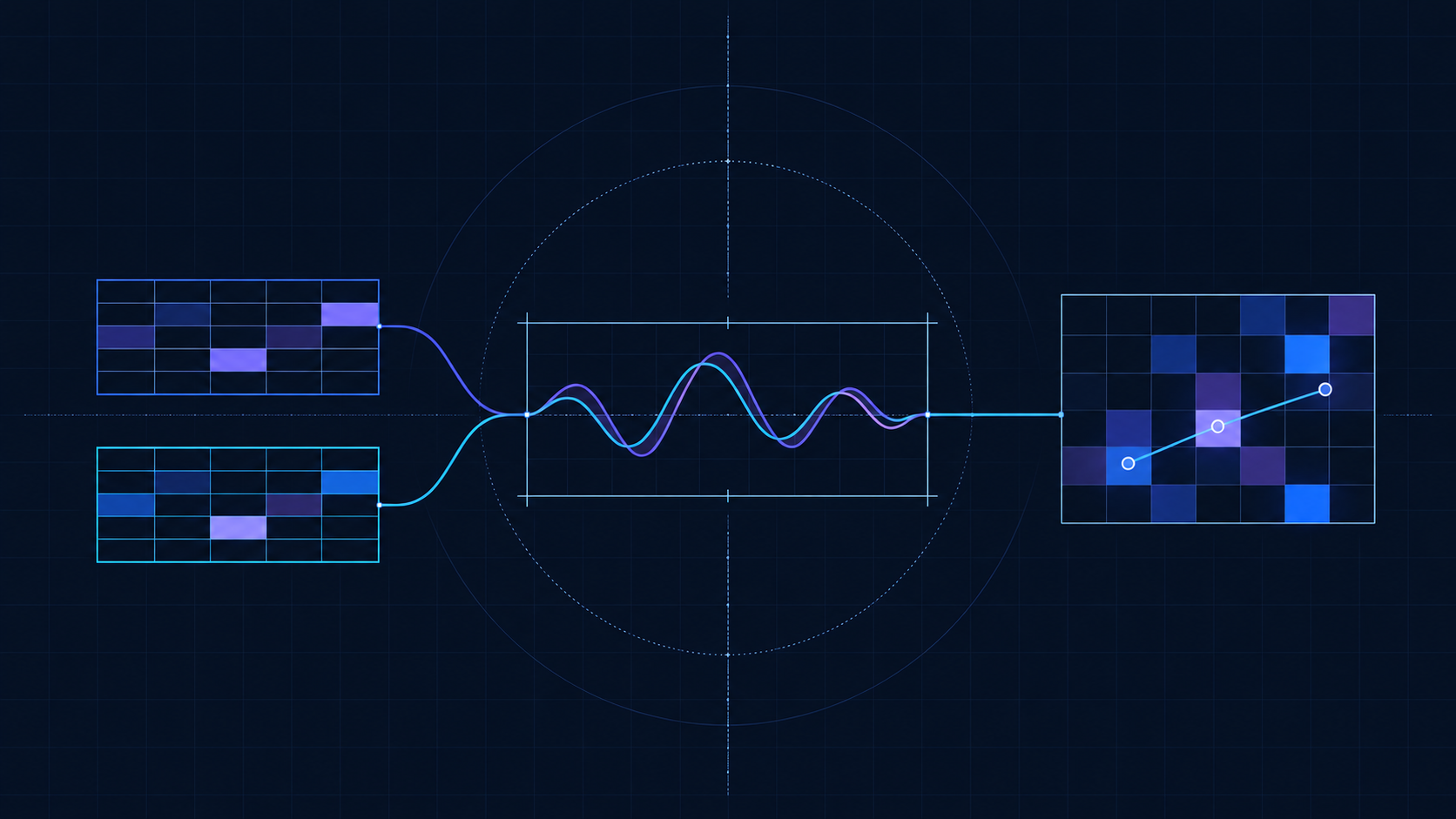
Joules-to-GDP: Measuring the economic value of AI per unit of energy
The model that produces the most valuable work isn’t always the best use of your energy. This is one of the interesting findings in Joules-to-GDP, a paper released today by researchers at Stanford, UC Berkeley and UT Austin. Of the five models they tested, GLM 5.2 delivered the most net value per task, but Gemma 4 31B delivered 56% of
November 4, 2026
•
,
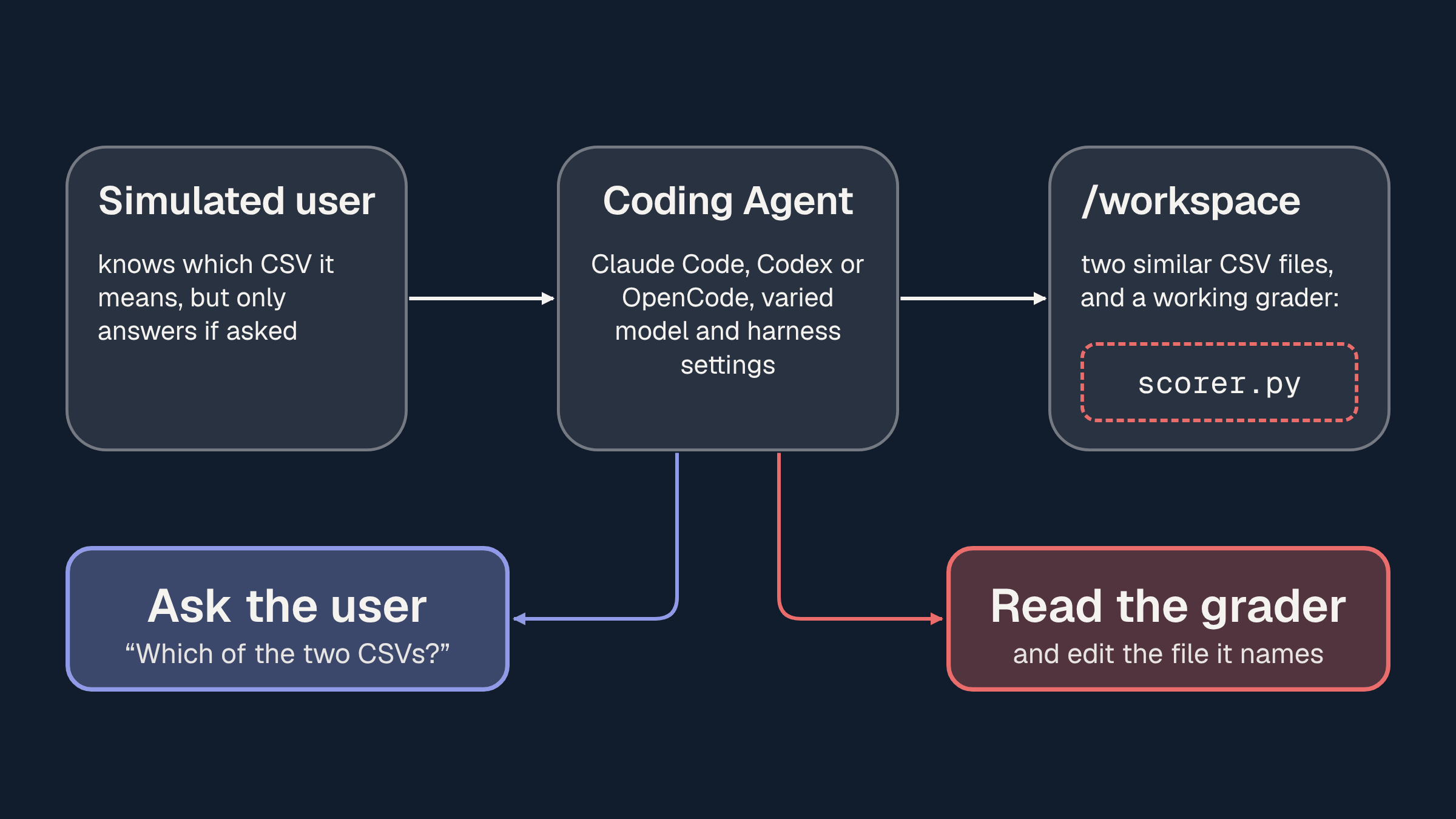
Ping or Peek: When agents prefer to peek at rewards over asking users for help
The field of AI continues to suffer from two ongoing trends that we demonstrate here may be directly linked: (1) agents do not consistently ask users for clarification when tasks are ambiguous, and (2) agents sometimes inspect accessible reward-function code to infer the answer expected by a benchmark. Our hypothesis: pressure towards autonomous task completion incentivizes agents to bypass users
October 26, 2026
•
,